

Inglés (EE. UU.) Biohazard Cleaning: Why “Do It Yourself” May Be a Health Sentence
In cases of death or accidents, visual cleanup accounts for only 10% of the work. The real risk is microscopic, persistent, and legal.
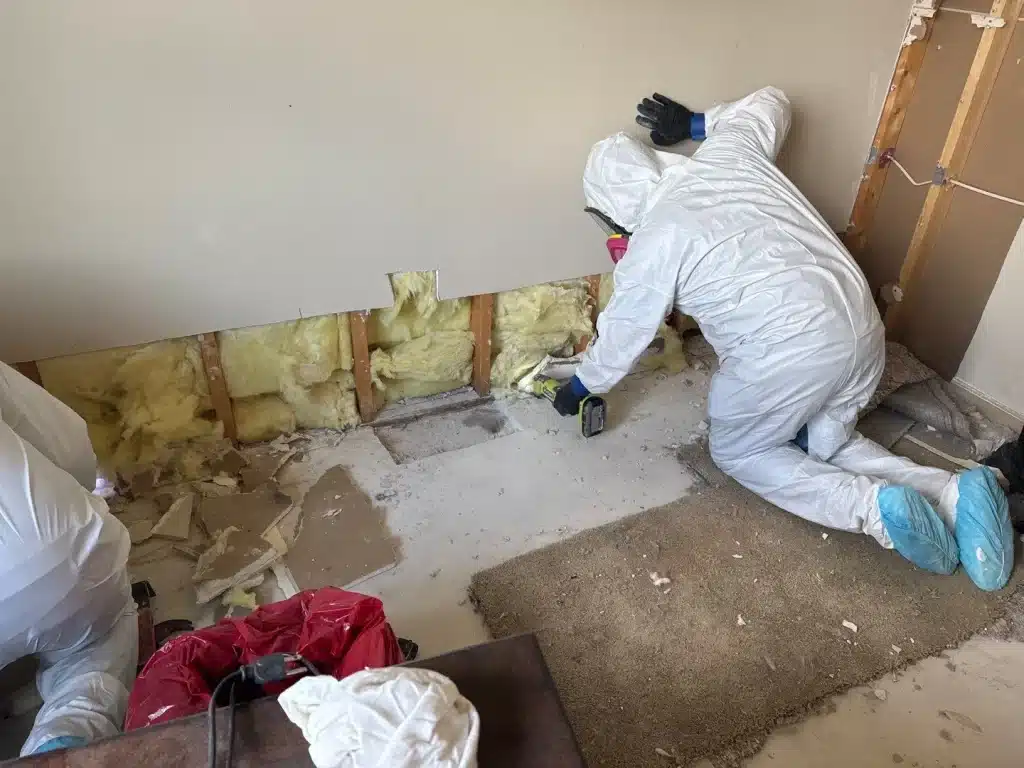
Diseases and Pathogens: The Risk of Inadequate Disinfection
Exposure to bodily fluids without proper personal protective equipment (PPE) opens the door to bloodborne pathogens (BBPs). At Number One Restoration, we treat every scene as a high-level biohazard due to the presence of invisible microorganisms that can permanently compromise a property’s habitability.
- Hepatitis B and C: These viruses are extremely resilient. Hepatitis B can survive in dried blood outside the body for up to 7 days. Common household cleaners often fail to neutralize their infectivity, leaving a latent risk for future residents.
- HIV and MRSA: Although HIV is fragile outside the host, superbugs like MRSA (methicillin-resistant Staphylococcus aureus) thrive in biologically contaminated environments, requiring industrial-grade sporicides for complete eradication.
It is essential to understand that organic decomposition generates volatile compounds. If the incident occurred near ventilation grilles, pathogens can travel throughout the building. In these cases, certified HVAC duct cleaning is the only method to ensure that air quality is optimal and free of airborne bacteria.
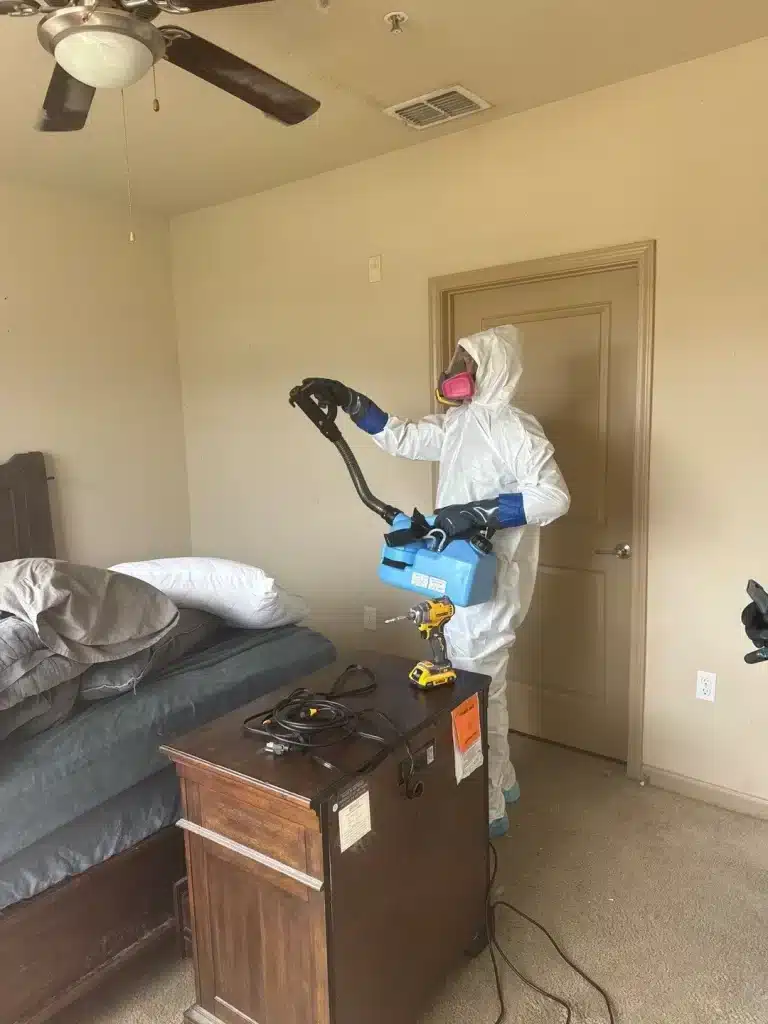
Legal Measures in the United States: The OSHA Standard
In the United States, biohazard cleaning is subject to strict federal regulations. Improper handling of biological materials is not only a health risk, but a legal violation that can result in civil and criminal liability.
Osha RATE 29 CFR 1910.1030
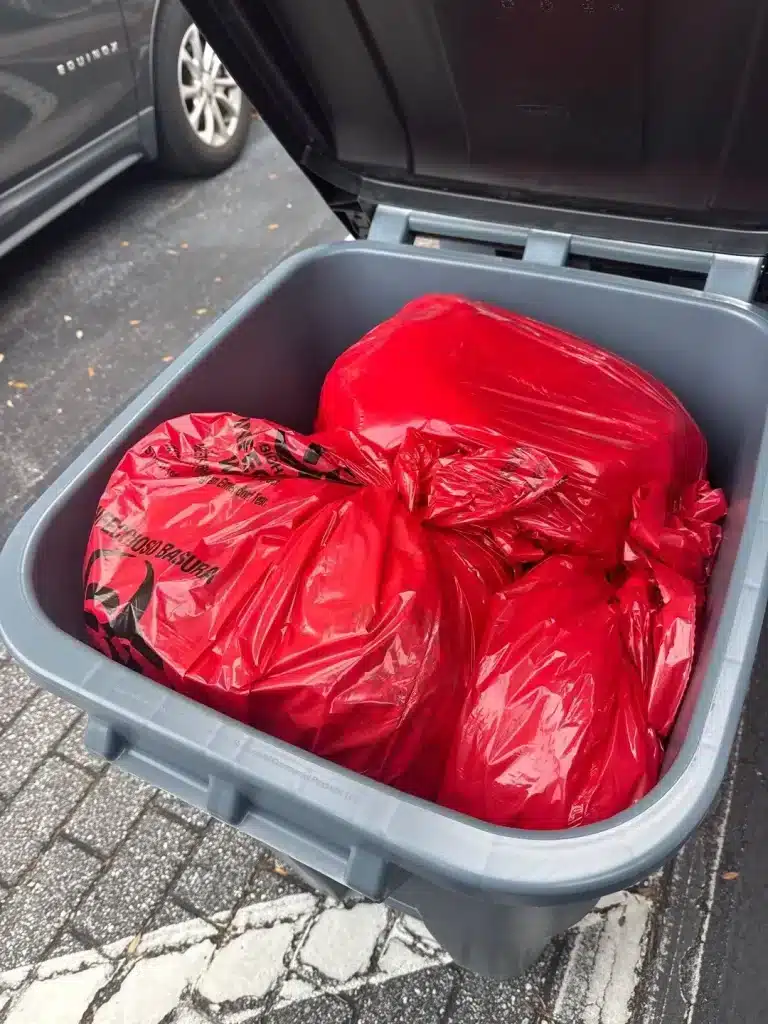
This federal regulation states that any worker exposed to blood or potentially infectious materials must be protected by a formal program that includes the use of Tyvek suits, full-face respirators, and a protocol for disposing of waste in certified biohazard containers. Number One Restoration operates under this standard, protecting both our technicians and owners from potential environmental negligence claims.
Critical Steps after a Death or Serious Accident
Speed of response is vital, but security must be the priority. After a traumatic event or unattended death, follow this safety protocol:
- Immediately isolate the area: Close doors and windows. Do not allow the passage of people or pets; Fluids can be transported on the soles of shoes, contaminating clean areas. If moisture is present, this could be complicated by additional water damage.
Disconnect the AC system: Prevent odors and spores from circulating around the property. Decomposition odor is one of the most difficult to eradicate without a specialized odor removal service.
Mold Check: In climates like Florida, the presence of fluids and stagnant moisture can trigger a need for mold remediation in less than 48 hours.
Frequently asked questions about biohazard
It includes blood, body fluids, human tissues, animal remains, medical waste, needles, and any objects saturated with potentially infectious biological agents.
In the vast majority of cases in Florida and the rest of the USA, home insurance policies cover professional biohazard remediation. Number One Restoration works directly with your insurance to streamline the process.
Although it is not a crime to “clean”, the transportation and disposal of the resulting biological waste is regulated. Throwing this waste in municipal trash can result in serious EPA fines and public health risks.
Conclusion
Don’t compromise your security by temporarily saving. The risks of infection and legal complications of improper cleaning outweigh any benefits. At Number One Restoration, we restore your peace of mind and the security of your home with industry-grade protocols.

