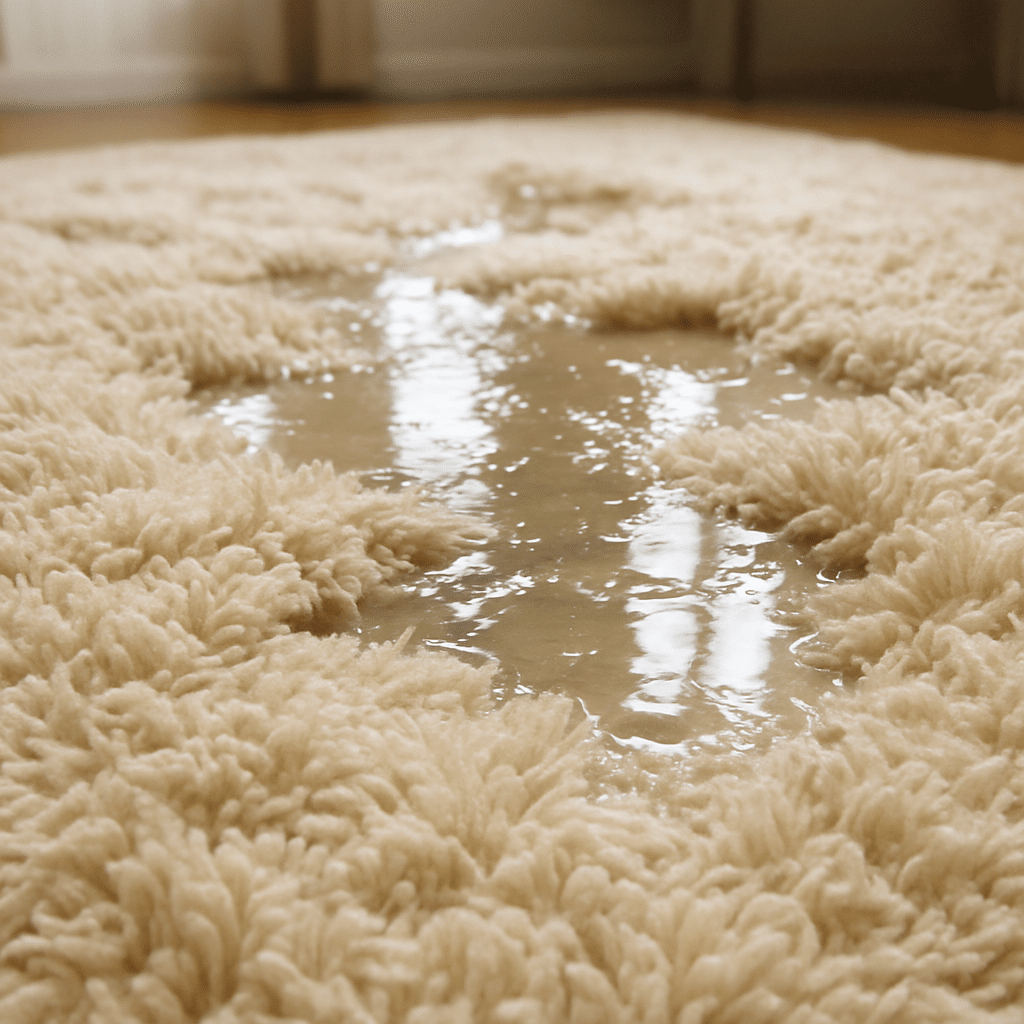
Rain Leaking Through Your Windows in Orlando? What to Do About Water Damage
If you notice rain leaking through windows in your Orlando home, stay away from wet outlets or fixtures, take photos from a safe spot, and call a qualified restoration team when water has reached the wall, trim, or flooring. At Number One Restoration, we assess water damage in Orlando and across Central Florida because moisture can collect behind drywall or under flooring after the sill looks dry.
What to do about rain leaking through windows
- Keep people clear of electrical hazards. If water is near an outlet, switch, light, or plugged-in device, stay out of the affected area and call a qualified electrician. Keep clear of sagging drywall or ceilings.
- Protect nearby belongings when it’s safe. Move curtains and furniture away from the wet area. If the leak is small and well away from electricity, place a container under the drip while you arrange an assessment.
- Record what you see. Photograph where the water appeared, what got wet, and when you first noticed it. If you rent or live in a condo, notify the property manager or association promptly.
- Call when water reaches building materials. If drywall, trim, or flooring is wet, arrange a moisture assessment. Stay off ladders and leave exterior work until conditions are safe.
Why rain can enter around a window in Orlando
Wind-driven rain can reach a gap around a window that stays dry during a lighter shower. If the leak happens only when rain hits one side of your home, tell the inspector which window was affected and, if you noticed it, which direction the rain was coming from.
Water can enter through a gap around the sash or through the window-to-wall connection. It can also enter higher up at the roofline or exterior wall and travel down to the window opening. A stain below the sill shows where water surfaced. A qualified window, roofing, or building-envelope professional can check how the opening manages rainwater and find where it entered.

Signs of hidden water damage after a window leak
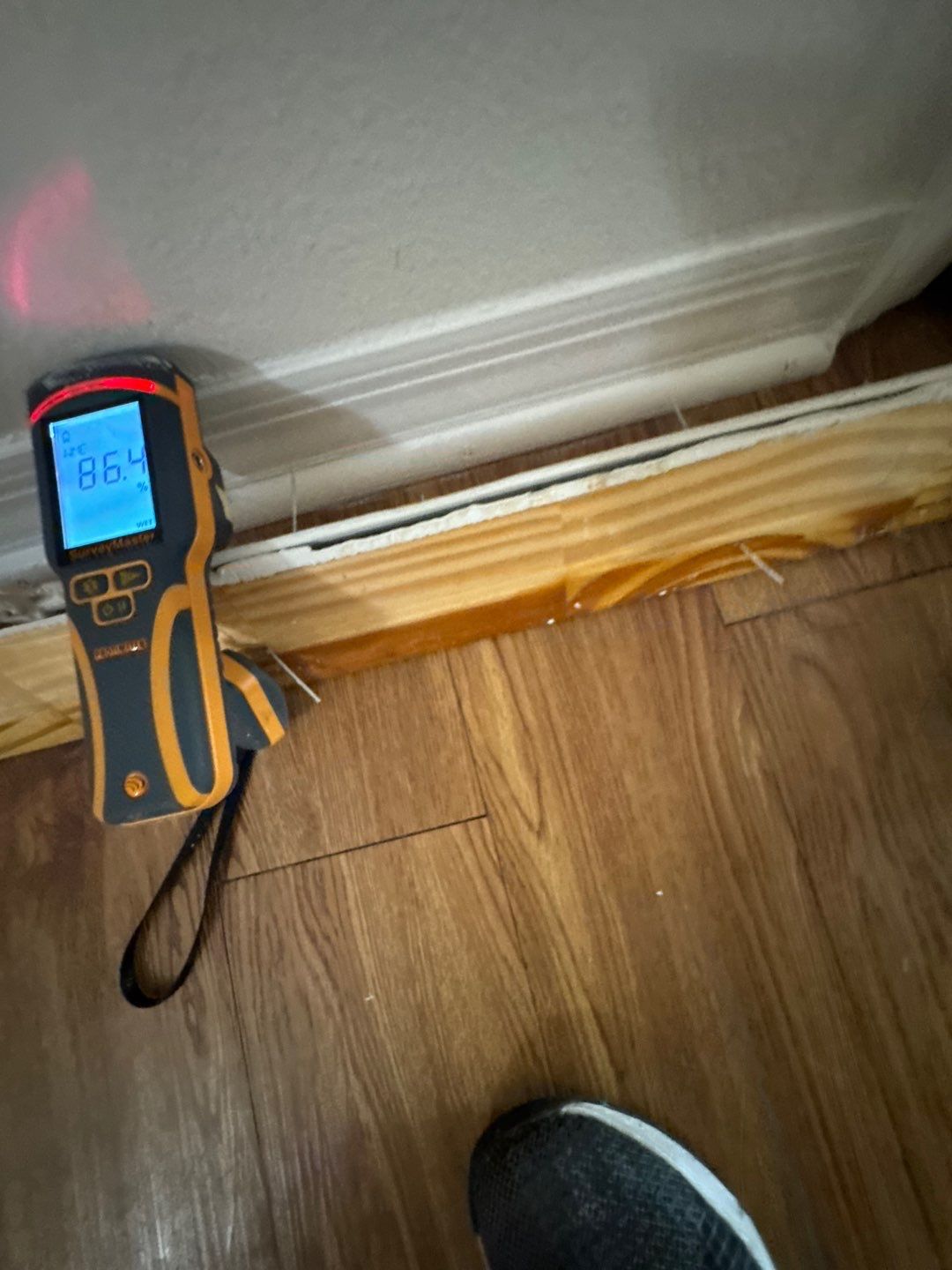
Look for staining that grows or returns after rain, paint that bubbles near the frame, drywall that feels soft, or baseboards that swell or pull away. A musty smell or flooring that starts to lift can also warrant an inspection, especially when it appears beside the affected wall.
A moisture check helps determine whether water reached areas you can’t see. The EPA’s guidance on mold and moisture recommends drying wet materials promptly, generally within 24 to 48 hours when possible, to help limit mold growth. If you see visible growth or notice a persistent musty smell, ask about our mold remediation services.
How we assess and dry the affected area
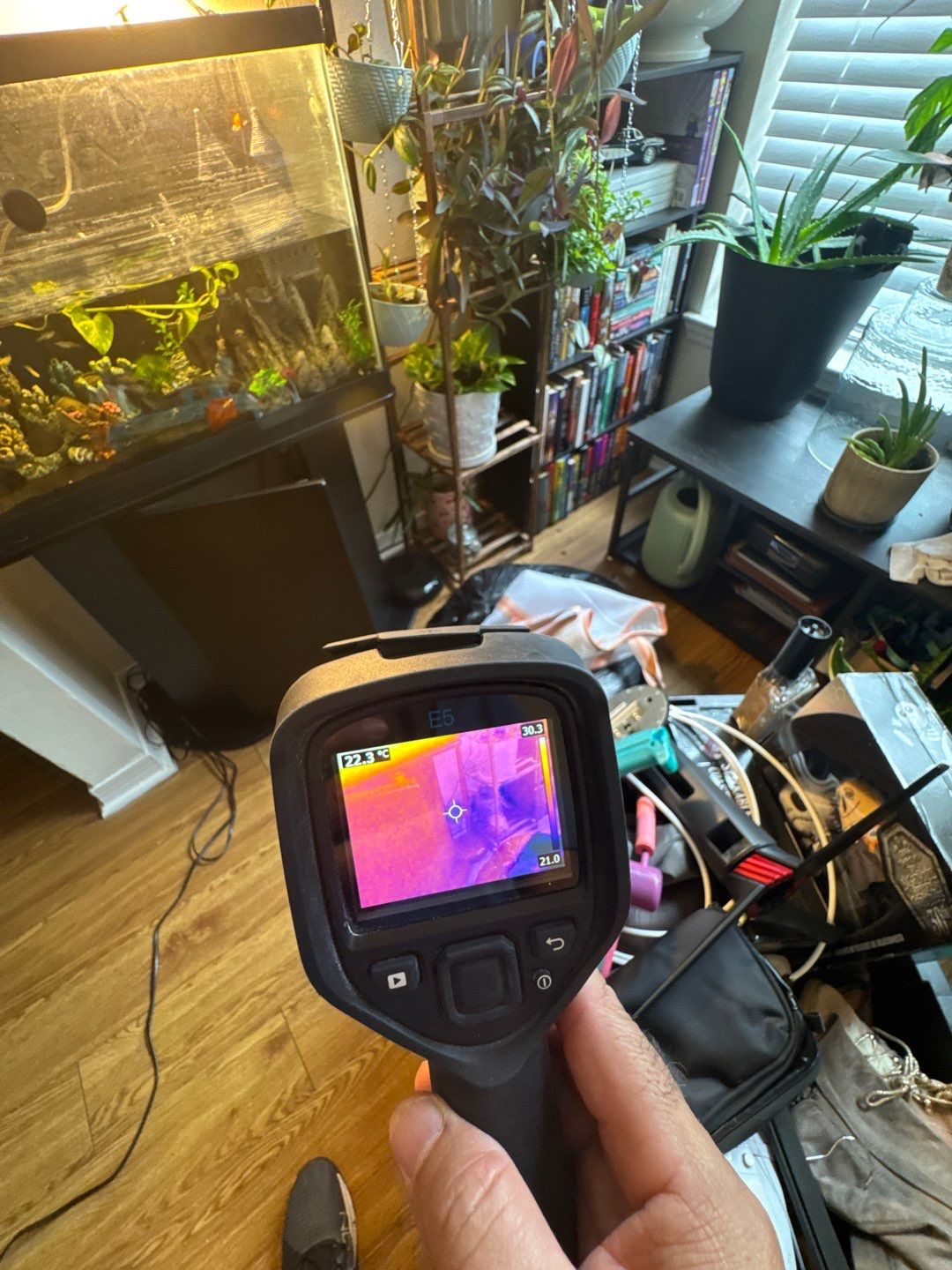
We start with where the water appeared and check nearby walls, trim, and floors for signs that it spread. We use moisture readings to guide the drying plan and to help determine which materials can be dried in place. Depending on the extent of the damage, restoration can involve water removal, controlled drying, dehumidification, and removal of materials that can’t be salvaged.
Fixing the entry point and drying the affected materials are separate jobs. If an exterior repair is needed, coordinate it with the appropriate trade so the next storm doesn’t wet the area again. Our guide to how long water damage restoration takes explains what can affect the timeline.
Questions homeowners ask after a window leak
Can I fix a rain leak by caulking the inside of the window?
Have the entry point checked first. Water can come through the wall or flashing above the frame. Sealing the visible gap can leave the original leak and trapped moisture unresolved.
Is it enough to dry the windowsill?
Drying the sill addresses surface water. If the wall or floor got wet, the leak returned, or a musty smell persists, have the surrounding materials checked for moisture.
Who should I call if rain keeps coming in?
Call a window or building-envelope professional to find and repair the entry point. If water reached drywall, trim, or flooring, call a restoration professional as well to assess the affected materials and plan drying.